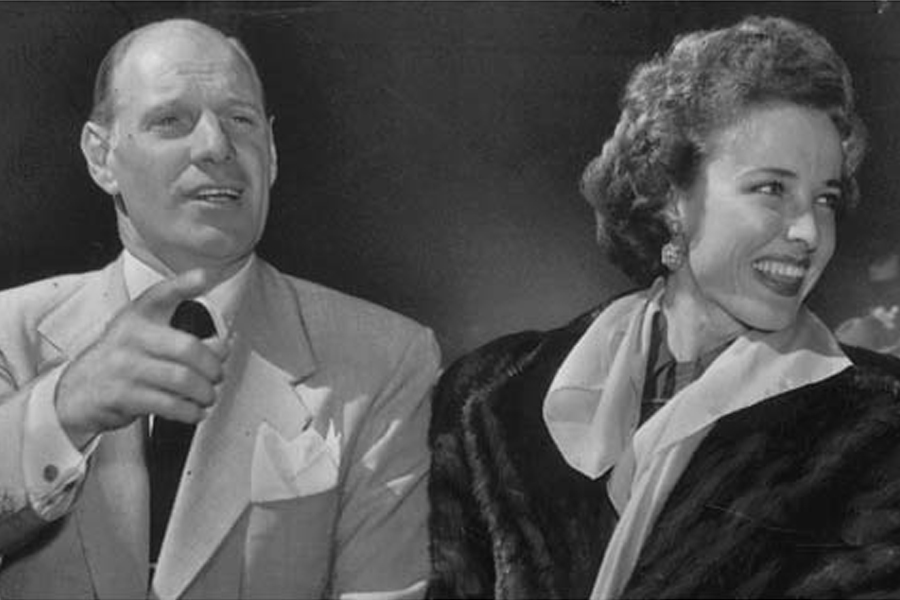
Basic Information
| Item | Details |
|---|---|
| Full name | Dr Lorraine Day |
| Born | February 24, 1937 |
| Died | November 10, 2023 |
| Birthplace | Alton, Illinois |
| Profession | Orthopedic surgeon, author, public speaker |
| Major medical role | Chief of Orthopedic Surgery at San Francisco General Hospital |
| Education | UCSF School of Medicine |
| Known for | Orthopedic trauma work, AIDS testing advocacy, alternative cancer claims, religious teaching |
| Spouse | William Dannemeyer |
| Children | Spencer Day, Stewart Day |
A Life That Moved Between Medicine and Controversy
Dr. Lorraine Day was at the crossroads of two worlds. Orthodox medicine, hospital leadership, surgery, trauma treatment, and academic authority were on one side. On the other side was a noisier, more unsettling environment of public debate, religious conviction, self-published health concepts, and controversy that followed her.
She became a prominent and polarizing medical figure after being born in Alton, Illinois, on February 24, 1937. Her narrative isn’t kind. It has tight curves, bright lights, and abrupt turns. Even though women in surgery were unusual, she climbed through medical and entered a specialization that required nerve, discipline, and precision. Orthopedic trauma is not for cowards. A field of broken bones, pressing decisions, and controlled hands.
She was UCSF-trained and San Francisco General Hospital orthopedic surgery chief. That alone would have distinguished her career. Dr. Lorraine Day went beyond traditional medicine. She was vocal about AIDS testing, public health, and cancer treatment. Her public character grew greater than her operating room identity, making delineation difficult.
I see her life as a deep-river bridge. Certification and medicine formed one side. Another was based on personal and public mission. That bridge was traversed with admiration, skepticism, or both.
Family Roots and Personal Relationships
Dr Lorraine Day’s family life appears in public records in fragments, like pieces of glass catching light from different angles. Some parts are clear, while others remain partially hidden.
Her father was described as a Seventh-day Adventist minister, a detail that helps explain the moral seriousness and religious structure that shaped her upbringing. I can imagine a home where discipline mattered, where belief was not a decoration but a framework. That background seems to have stayed with her throughout life, especially in her later religious speaking and writing.
She was married to William Dannemeyer, a former California congressman. In the material available, he is identified as her spouse. Their relationship links two public figures who each carried strong opinions and strong public identities. It was not a private little footnote. It was part of the larger shape of her life.
Before that marriage, the material says she supported her first husband through law school, though his name is not given in the available information. That detail gives a glimpse of a woman who was investing in the future of someone else while she was still moving toward her own path. It suggests years of sacrifice, patience, and a practical kind of loyalty.
She also had two sons, Spencer Day and Stewart Day. Those names matter because they show that behind the public persona was a family line continuing quietly beyond the headlines. The available material also notes grandchildren, which places her not only as a mother but as a grandmother, someone whose story extended into another generation.
When I look at this family picture, I do not see a neat portrait. I see a layered one. A strict religious home. A first marriage tied to support and upward movement. A later marriage to a well known political figure. Two sons. Grandchildren. A personal life moving alongside a public one, sometimes in harmony, sometimes in tension.
Career Path and Public Identity
Dr Lorraine Day built her reputation first through medicine. She became a surgeon at a time when few women were prominent in that field, and her role in orthopedic trauma placed her among the early women to gain major recognition there. She was not merely present in the room. She helped shape the room.
Her work at San Francisco General Hospital, where she served as chief of orthopedic surgery, marked a high point in her professional life. She was also associated with UCSF as faculty, and she spent years teaching, writing, and speaking. That kind of career is built from long days and exacting habits. Surgery leaves little room for guesswork. The body does not reward carelessness.
Her public fame widened in the late 1980s and early 1990s when she spoke forcefully about AIDS testing for doctors and patients. That position made her a controversial figure, but it also made her visible. People heard her because she spoke with conviction, and conviction is a loud instrument. She did not sound like someone whispering from the back row.
Later, her career moved into alternative health claims and religious teaching. She wrote books, produced educational materials, and used interviews, lectures, and her own website as platforms. Her later public identity became tightly woven with her personal beliefs, especially around cancer and health. Some viewed her as a courageous truth teller. Others saw her as deeply unreliable. Either way, she remained hard to ignore.
I think that is one reason her name still circulates. She was not a blurred figure. She was cut in strong lines.
Work Achievements and Public Legacy
Her accomplishments look best in two baskets.
The first basket is medical. She trained at a top medical school, led orthopedic surgery, helped trauma patients, and was recognized as a woman who entered a difficult field. Professionally, her name was important in orthopedic trauma circles.
The second basket is cultural and public. She became famous beyond hospitals. She wrote about health, appeared in media, and lived by medicine and faith. She was no silent expert. She acted publicly.
The legacy is difficult. Professional success and significant criticism are included. It’s controversial and influential. It involves weird notions that persist after the speaker dies. Some remember her as a surgeon. Some remember her as a mainstream medicine critic. Some recall her holy voice. All those recollections are from one life.
Timeline of Key Life Events
| Year | Event |
|---|---|
| 1937 | Born in Alton, Illinois |
| Early life | Raised in Southern California by a Seventh-day Adventist minister father |
| Early adulthood | Supported her first husband through law school |
| 1960s and 1970s | Studied at UCSF and completed medical training |
| 1974 | Completed residency |
| 1985 | Became chief of orthopedic surgery at San Francisco General Hospital |
| Late 1980s | Gained national attention for AIDS testing advocacy |
| 2004 | Married William Dannemeyer |
| 2023 | Died on November 10 at age 86 |
| 2024 | Memorial materials continued to circulate through UCSF and related institutions |
FAQ
Who was Dr Lorraine Day?
Dr Lorraine Day was an orthopedic surgeon, author, and public speaker who became known for her medical career, her outspoken views on AIDS testing, and her later claims about alternative cancer treatment.
Who were the closest family members publicly identified?
The publicly identified family members in the material are her husband William Dannemeyer, her sons Spencer Day and Stewart Day, her unnamed father who was a Seventh-day Adventist minister, and her first husband whose name was not given.
Was William Dannemeyer her spouse?
Yes. The material identifies William Dannemeyer as her spouse.
Did Dr Lorraine Day have children?
Yes. The material identifies two sons, Spencer Day and Stewart Day, and also mentions grandchildren.
What was Dr Lorraine Day known for in medicine?
She was known for orthopedic surgery, especially orthopedic trauma, and for serving as chief of orthopedic surgery at San Francisco General Hospital.
Why is Dr Lorraine Day controversial?
She became controversial because of her public statements on AIDS testing and later for her alternative cancer claims, which drew criticism from medical and regulatory voices.
What is the main shape of her life story?
I would describe it as a life of strong ambition, religious conviction, public visibility, and divided reputation. She was a surgeon, a speaker, a mother, a wife, and a public figure whose name still draws attention because it sits at the crossroads of medicine and ideology.