The enduring presence of Cesar Bono
Cesar Bono quickly comes to mind as a Mexican showbiz legend. Born in Mexico City on October 19, 1950, he has worked in cinema, television, voice acting, and theater for almost five decades with the tenacity of a man who refuses to leave the stage. Success comes to many performers. Bono made numerous.
His performance as Frankie Rivers in Vecinos made him a household name in Mexico. His Latin American Spanish voice of Mater, or Mate, in Cars is well known. Another generation remembers him as a star of 1980s and 1990s Mexican comedies. Like a lengthy boulevard in Mexico City, his career is boisterous, colorful, full of memories, and unavoidable.
At age 75 in 2026, Bono remains active despite serious health struggles. That fact alone says a great deal about his character. His life has not been a straight road. It has been a road with potholes, sudden turns, and steep climbs, yet he keeps moving.
Early life and family roots
In Mexico City, Cesar Queijeiro Bono was born. The child was nurtured by his parents, César Queijeiro Sr. (also known as César Estrada) and María Rosa Bono. The fact that he was the third son helps describe his family: a traditional one with strong origins and hopefully a lot of personality.
The public would recognize him by his mother’s surname. Bono would appear on marquees, TV credits, and posters. That change is almost lyrical. Mexican popular culture adopted a family name as a public persona.
Few specific facts concerning his parents are mentioned, but their importance is evident. The narrative began with them, a quiet basis for a public existence. Every public character starts private, and Bono’s Mexico City family influenced him before audiences did.
How his acting career began
In the early 1970s, Bono entered the entertainment industry as Mexican cinema and television were changing rapidly. Early work set the tone for his career. By 1975, his portrayal as César Ramírez in Mi Secretaria gained him acclaim and established him on television.
In those years, beginners learned by doing. There was no shortcut to longevity. Bono had to prove he could play humor, supporting roles, ensembles, and character roles. Adaptability became his biggest asset. He was a versatile performer. He was wide and dramatic or grounded and subtle. He could stand out without disrupting a scene.
That skill kept him working. And in entertainment, sustained work over decades is its own kind of medal.
A defining figure in Mexican comedy films
Many audiences associate Cesar Bono with 1980s and 1990s Mexican comedies, notably the fichera period. The comedy in these energetic, irreverent shows resonated with mainstream audiences. Bono became a movie staple.
El Agarratodo and La portera ardiente solidified his humorous reputation. The humor of his day was rapid, physical, lively, and provocative. Timing was more important than glamour. That was Bono’s timing. He knew how to hit a line, utilize his face, and fill a scene like a pianist finding the beat.
His career in these films also places him within a broader generation of Mexican entertainers who shaped mainstream comedy. He was not simply present during that era. He helped define its texture.
Frankie Rivers and the power of television fame
If cinema brought Bono stardom, TV gave him another. As Frankie Rivers in Vecinos, he gained a large following. His comedic arrogance and overstated confidence made him one of the show’s most famous characters.
Unrich performances in Frankie Rivers can trap an actor. Making the character distinctive rather than shallow helped Bono avoid that. He made him absurdly funny. One reason the part resonated in popular memory.
Television fame is different from film fame. It enters daily life. It repeats. It settles into family routines. Bono achieved that form of familiarity, and with it he became more than an actor people recognized. He became part of the cultural furniture of Mexican comedy.
The voice behind Mate in Cars
Another major chapter in his career arrived in 2006 with Cars, followed by Cars 2 in 2011 and related franchise work. In the Latin American Spanish dubs, Bono voiced Mater, known as Mate. That role connected him to younger audiences and international pop culture in a new way.
Voice acting is an invisible art. The audience hears the warmth, rhythm, and comic instinct, but not the body doing the work. Bono brought all three. Mater is funny because he sounds sincere even when he is ridiculous. That mix suits Bono’s strengths perfectly.
For many children and families, this voice role may be their first encounter with him. It proves how flexible his career has been. He moved from live-action comedy to sitcom fame to a beloved animated franchise without losing his identity.
Theater and the discipline of staying present
Even after building success in film and television, Bono continued to return to theater. That choice says a lot. Theater demands presence in its purest form. There is no retake, no edit, no protective distance. It is actor, audience, and the moment.
One of his noteworthy theater works is Defendiendo al Cavernícola, a monologue requiring control, stamina, and connection. Productions like Locas de Remate have kept him visible. These endeavors demonstrate that he is not living off the past. He keeps working in direct-testing forms.
To me, that is one of the most admirable parts of his story. Stage work, especially later in life and after health setbacks, is a declaration. It says: I am still here.
Health battles and resilience
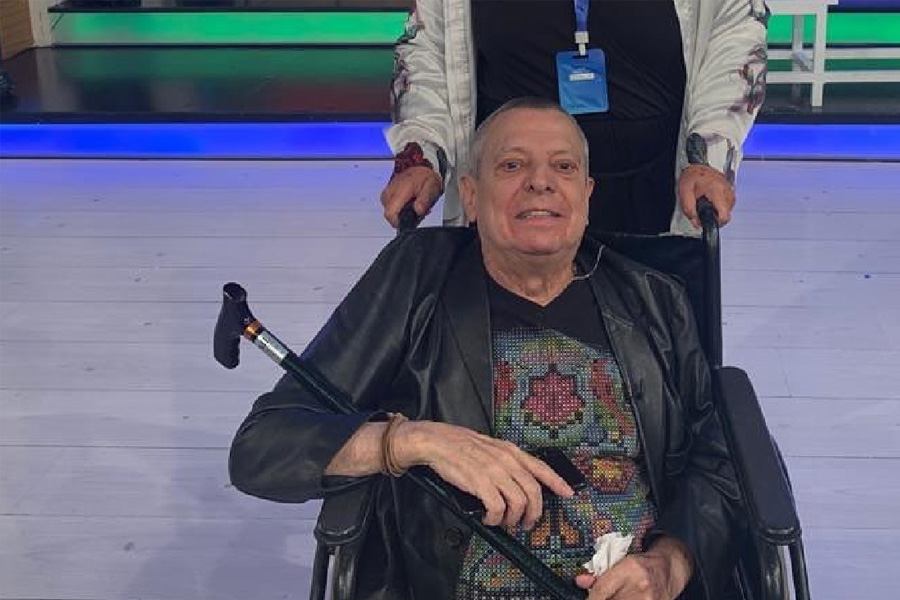
Bono’s later years have been marked by serious health challenges. In 2018, he suffered multiple strokes. He also endured a heart attack, and in 2022 he was hospitalized with a perforated duodenum. These were not minor setbacks. They were life-altering medical crises.
The effects have included limited mobility on the left side of his body. He has also experienced falls, including one that reportedly caused fractured ribs during the 2024 to 2026 period. Yet he has continued appearing in public, working in theater, and speaking openly about recovery and gratitude.
His resilience is central to understanding who he is. Some careers fade quietly. Bono’s later life has instead become a public lesson in endurance. He has faced frailty while refusing disappearance. There is courage in that. Not loud courage, but working courage.
His marriage to Patricia Castro
A major personal chapter in Cesar Bono’s life was his long marriage to actress Patricia Castro. They married in 1988 and remained together for more than 30 years. Their relationship became one of the most recognized long-term unions linked to his public life.
The marriage ended in 2020–2021, during the pandemic. The separation was attributed to relationship pressure. Public remarks also highlighted difficult situations and verbal disagreement, however some were later contested.
The family-history tie did not disappear. Patricia Castro allegedly helped Bono during his 2022 hospitalization, suggesting a deeper relationship than celebrity headlines portray. Long-term partnerships are seldom tidy. The public saw fracturing and lingering care.
The children in Cesar Bono’s life
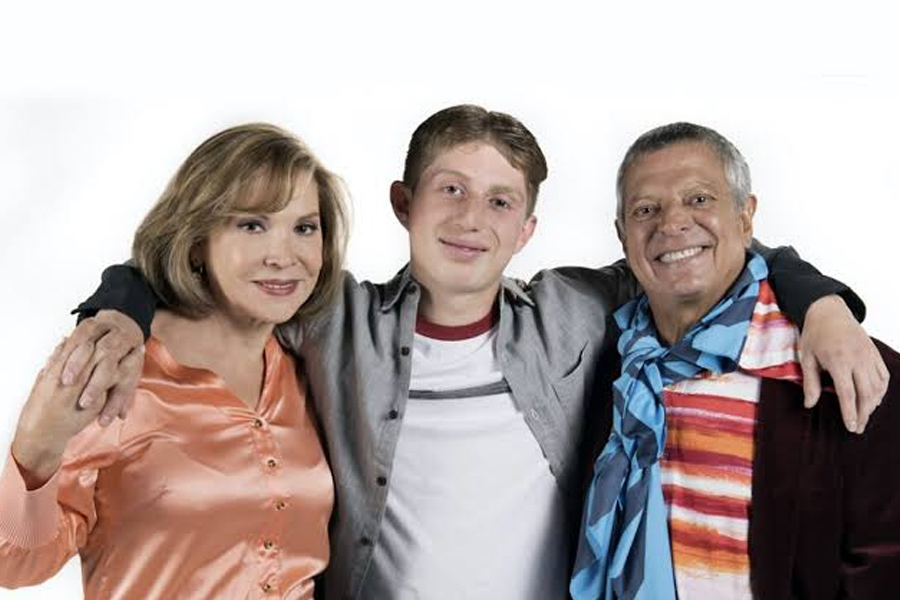
Bono is also a father, and that role forms an important part of his personal story. Four children are commonly mentioned in public discussions of his family life: María Rosa Bono, María del Sol Bono, César Patricio Bono, and Leonardo Patricio Bono.
María Rosa Bono and María del Sol Bono have maintained lower public profiles. Compared with the media attention surrounding their father, less is widely discussed about their lives. That relative privacy can be meaningful in itself. Not every child of a public figure chooses visibility.
César Patricio Bono has been identified in public family discussions as one of his sons, and reports around 2022 placed him at roughly 31 years old. While not as publicly visible as Leonardo, he remains part of the family structure often mentioned when Bono’s personal life is discussed.
Leonardo Patricio Bono, better known as Leonardo Bono, followed his father into showbiz. Born in 1994 or 1995, he has performed in theater, notably Sueño de la Noche de Verano. In media interviews, he has defended his father and family. He is a bridge between generations as the son of a comedy veteran entering the same demanding artistic landscape.
A family snapshot
| Family Member | Relationship to Cesar Bono | Public Notes |
|---|---|---|
| César Queijeiro Sr. or César Queijeiro Estrada | Father | Mentioned as part of his Mexico City family roots |
| María Rosa Bono | Mother | Maternal surname became part of his public identity |
| Patricia Castro | Ex-wife | Married in 1988, separated or divorced around 2020 to 2021 |
| María Rosa Bono | Daughter | Low public profile |
| María del Sol Bono | Daughter | Low public profile |
| César Patricio Bono | Son | Mentioned in family coverage, around 31 in 2022 |
| Leonardo Patricio Bono | Son | Actor, public defender of family matters, active in theater |
Faith, aging, and personal reflection
In recent years, another dimension has emerged in his public story: faith. He was baptized as a Christian in 2025 or around that time, adding a spiritual chapter to a life already marked by work, illness, family change, and endurance.
This detail implies an interior alteration, not simply an exterior one. Getting old in public is hard. The body alters. Rumors spread. Conflicts are repeated. The tale is fragmented for new generations. For many, faith is a survival language. Bono appears to frame thankfulness and endurance this way.
His later interviews and public appearances often carry that tone. He speaks not just as a performer, but as a man measuring life more carefully.
Why Cesar Bono still matters
Cesar Bono signifies more than celebrity. He embodies Mexican entertainment continuity. He represents 1970s television, 1980s and 1990s comic cinema, 2000s sitcom familiarity, and worldwide cartoon franchise dubbing. Few occupations naturally cover so much ground.
He also matters because he has remained visible through vulnerability. Illness did not erase him. Age did not silence him. Family difficulties did not end his relevance. He is one of those performers whose life story deepens the meaning of his career.
When I look at his path, I see an artist who became a fixture not by accident, but by endurance. His story is not polished like marble. It is textured like old stage wood, marked by impact, still holding weight.
FAQ
Who is Cesar Bono?
Cesar Bono is a Mexican actor, comedian, voice actor, and theater performer born on October 19, 1950, in Mexico City. He is widely known for Vecinos, Mexican comedy films, and voicing Mate in the Latin American Spanish version of the Cars franchise.
What is Cesar Bono’s full name?
His full name is César Queijeiro Bono. He became publicly known by the shorter professional name Cesar Bono.
Who were Cesar Bono’s parents?
His parents were César Queijeiro Sr., also identified in some references as César Queijeiro Estrada, and María Rosa Bono. He was raised in Mexico City and was the third son in the family.
Was Cesar Bono married to Patricia Castro?
Yes. Cesar Bono married actress Patricia Castro in 1988. They were together for more than 30 years before separating or divorcing around 2020 to 2021.
How many children does Cesar Bono have?
He is publicly associated with four children: María Rosa Bono, María del Sol Bono, César Patricio Bono, and Leonardo Patricio Bono.
Who is Leonardo Bono?
Leonardo Bono, also referred to as Leonardo Patricio Bono, is one of Cesar Bono’s sons. He is an actor who has appeared in theater productions and has spoken publicly about his father and family matters.
What role did Cesar Bono play in Vecinos?
He played Frankie Rivers, one of the most recognizable and comedic characters in the sitcom. The role significantly expanded his television fame.
Did Cesar Bono voice a character in Cars?
Yes. He voiced Mater, known as Mate in Latin American Spanish, in the dubbed versions of Cars, Cars 2, and related projects.
What health problems has Cesar Bono faced?
He has faced multiple serious health issues, including several strokes in 2018, a heart attack, and a 2022 hospitalization due to a perforated duodenum. These events left him with mobility limitations on his left side.
Is Cesar Bono still active?
Yes. As of 2024 to 2026, he remains active in theater and public appearances, including work in productions such as Defendiendo al Cavernícola and Locas de Remate.
Has Cesar Bono spoken about faith in recent years?
Yes. Public discussion of his later life includes his Christian baptism in 2025 or around that time, reflecting an important spiritual dimension in his recent years.