Basic Information
| Field | Details |
|---|---|
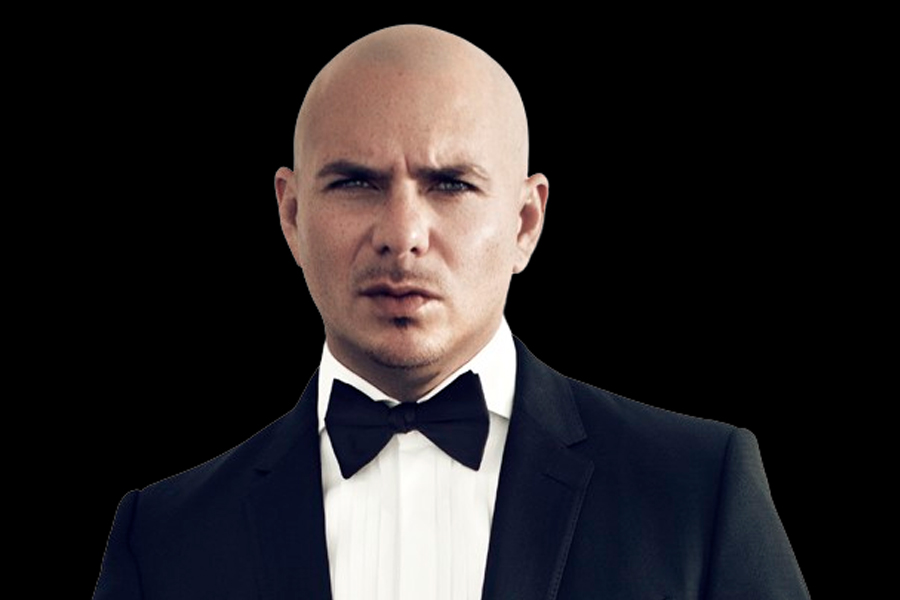
| Full name | Armando Christian Perez |
| Known as | Pitbull |
| Birth date | January 15, 1981 |
| Birthplace | Miami, Florida, United States |
| Heritage | Cuban American |
| Profession | Rapper, singer, songwriter, businessman, performer |
| Famous for | Global pop hits, sharp branding, live performance energy, business ventures |
| Children | Destiny Perez, Bryce Perez |
| Parents | Alysha Acosta, Armando Perez |
A Miami-Born Identity with a Larger Than Life Reach
His narrative connects two worlds, making Armando Christian Perez stand out. Miami, hot, loud, and full of action, may convert a kid into a hustler before he’s old. On the polished world stage, the same man became Pitbull, a name that travels beyond languages, clubs, radios, and stadiums.
Cuban immigrants gave birth to him in Miami on January 15, 1981. The background affected everything. Not everything was easy in his life. It was built on pressure, discipline, volatility, ambition, and survival. His father supported performance and poetry, but his mother raised him through difficult years after the divorce. He learned more than biography in those early years. They gave him instinct. He learned to command attention, talk rhythmically, and turn hardship into momentum.
He altered his identity, making it memorable. He revealed his Miami roots. Added them to the brand. He didn’t dampen Cuban-American spirit. He boosted it. He used his accent, attitude, and hustling as armor.
From Street Rap to Global Pop Power
His early music career began in the Miami rap scene, where raw energy mattered as much as polished technique. He first built attention in the early 2000s and released his debut album, M.I.A.M.I., in 2004. That album signaled a voice that was aggressive, confident, and impossible to ignore. It was the sound of someone who knew he belonged in the room even if he had to kick the door open himself.
He kept moving. El Mariel arrived in 2006, followed by The Boatlift in 2007. Then came a decisive shift. By the late 2000s and early 2010s, he was no longer just a Miami rapper. He was a global hitmaker. Albums such as Rebelution, Armando, Planet Pit, Global Warming, and Globalization pushed him into mainstream pop territory without erasing his original swagger.
Songs like “Give Me Everything” and “Timber” became international landmarks. They were big, glossy, and engineered for movement. His voice became a spark plug. He did not need to sing every note like a traditional pop star. He used charisma, rhythm, and catchphrases like a drummer uses sticks. That is part of his genius. He understands that a hit does not always need to whisper. Sometimes it needs to kick down the wall and start a party.
He also reached major career milestones outside the studio. He won a GRAMMY for Dale, and “We Are One (Ole Ola)” became the official song of the 2014 World Cup. That kind of visibility matters because it shows how far his music traveled. He was not just charting in one country. He was becoming a worldwide fixture.
The Business Mind Behind the Spotlight
I think people sometimes underestimate how calculated his career has been. Pitbull is not only a performer. He is a builder. He used music as a launch pad and then extended his brand into labels, production, endorsements, schools, and partnerships.
That business instinct is part of his public identity. He has been linked to record and production work, fragrance ventures, beverage deals, and other commercial projects. He has also invested in education through the SLAM charter school network, which adds another layer to his public image. He is often seen as a man who understands that longevity in entertainment depends on more than one lane.
His financial standing is commonly estimated at around 100 million dollars, though such figures are never exact. Still, the number fits the scale of his career. He is one of those artists who seems to have learned early that a strong name can become a long-term asset if it is managed with discipline.
What I find most interesting is how he balances spectacle with strategy. He can look effortless on stage, but the machine behind the performance is clearly organized. The style is flashy. The method is not.
Family Roots and Personal Relationships
His family life has always been more private than his public persona, but a few key relationships are known.
Alysha Acosta, his mother
Alysha Acosta is the figure most often identified as his mother. She raised him during turbulent years after the family split. Her role in his life matters because she represents the hard, grounding side of his origin story. In a life that later became all lights and cameras, she was part of the foundation. She is one of the quiet forces behind the man who later became Pitbull.
Armando Perez, his father
His father, Armando Perez, helped shape his early confidence and performance instincts. The stories about him often center on poetry, family pride, and Cuban identity. The father figure in this narrative is important because he connects Armando Christian Perez to tradition, language, and performance before fame ever arrived. That legacy lives in the way he presents himself, with rhythm in his speech and ceremony in his image.
Barbara Alba, former partner
Barbara Alba is the best known public partner associated with him. Their relationship led to family life that he has kept mostly out of the spotlight. That privacy is notable. For someone who lives so loudly on stage, he has drawn a firm curtain around much of his romantic history. I respect that boundary. Fame may spill everywhere, but not every part of a life has to become a public square.
Destiny Perez, daughter
Destiny Perez is identified as one of his children. In the public imagination, children of major stars often become symbols rather than people, but I think it is better to remember that she is part of his personal world, not his brand. Her presence shows that the man behind the global persona also has a private family life with responsibilities and ties that matter offstage.
Bryce Perez, son
Bryce Perez is also identified as his son. Like Destiny, he remains largely outside the public eye. That privacy feels deliberate. It suggests a desire to separate family life from the relentless spotlight that follows his professional career. In a world where celebrity often eats every boundary, that restraint feels almost rare.
Career Achievements That Define His Public Legacy
I would say he constructed a career that went from regional credibility to global scale without losing its pulse. He released several significant albums, had global hits, received a GRAMMY, and helped define crossover pop rap. He became a noted businessman, philanthropist, and concert draw with lasting impact.
His legacy goes beyond songs. In how he used a nickname as a platform. He made Miami a calling card. He kept his image crisp, steady, and larger than the room. He understands branding like artists do harmony.
Recent Public Attention
In recent years, his visibility has been fueled not only by music but by internet culture and fan behavior. At concerts, fans have shown up in bald caps and styled themselves like him, turning his look into a kind of playful tribute. That kind of phenomenon says a lot. It means the persona is now part of the performance itself. People are not only listening to him. They are stepping into the character, even briefly.
That is a rare kind of celebrity gravity. It means the image has become iconic enough to imitate, but still fun enough to celebrate. He has entered the phase where the audience knows the jokes and still wants in on them.
FAQ
Who is Armando Christian Perez?
Armando Christian Perez is the birth name of Pitbull, the Miami-born rapper, singer, songwriter, and businessman known for global hits and a powerful public brand.
Who are his family members?
The best known family members connected to him are his mother Alysha Acosta, his father Armando Perez, his former partner Barbara Alba, and his children Destiny Perez and Bryce Perez.
What is he most famous for?
He is most famous for hit songs such as “Give Me Everything” and “Timber,” as well as his bold public persona, live shows, and crossover success in pop and Latin music.
What are his biggest career achievements?
His major achievements include multiple successful albums, a GRAMMY win for Dale, the World Cup anthem “We Are One (Ole Ola),” and a long career as a global entertainer and businessman.
How did his family background influence him?
His Cuban American family background, his father’s emphasis on performance, and his mother’s strength during difficult years all helped shape his discipline, confidence, and sense of identity.